Within the European Union, the landscape of online and land-based gaming is rapidly evolving, with parallel casino models gaining prominence as a strategic response to shifting consumer preferences and technological advancements. Parallel casinos operate through integrated platforms that combine the traditional allure of physical casino environments with the convenience and innovation of digital gaming, including online slots, table games, sportsbook services, and increasingly, crypto-based gambling options. This dual approach caters to a broad spectrum of players, from enthusiasts seeking immersive real-world experiences to tech-savvy users embracing the flexibility of online platforms.
The core appeal of parallel casinos lies in their ability to bridge the gap between offline and online gaming worlds, creating a seamless experience that leverages the strengths of both formats. For instance, a player might visit a land-based casino for the social environment, while also engaging with digital counterparts through mobile apps or virtual platforms affiliated with the same brand. Such integration enhances user engagement, loyalty, and operational scalability, making it a compelling model within the EU's competitive casino industry.
Technological Innovations Driving Industry Expansion
Technological progress plays a pivotal role in shaping the growth of parallel casinos across Europe. Innovations such as high-definition streaming, real-time data synchronization, and advanced customer engagement tools enable operators to deliver immersive and personalized gaming experiences. Moreover, the adoption of blockchain technology and cryptocurrencies has opened new avenues for secure, transparent transactions—critical for building trust among players within the EU’s digital gambling sector.

Platform providers now offer comprehensive, multi-channel solutions that support both physical and virtual gaming environments. These systems facilitate real-time data analytics, targeted promotions, and unified loyalty schemes across different channels, enabling operators to optimize operations and enhance customer satisfaction. As the technology matures, integrations such as biometric verification for security, augmented reality (AR), and virtual reality (VR) are expected to further elevate the parallel casino experience, bridging the physical-digital divide convincingly.
Platform providers now offer comprehensive, multi-channel solutions that support both physical and virtual gaming environments. These systems facilitate real-time data analytics, targeted promotions, and unified loyalty schemes across different channels, enabling operators to optimize operations and enhance customer satisfaction. As the technology matures, integrations such as biometric verification for security, augmented reality (AR), and virtual reality (VR) are expected to further elevate the parallel casino experience, bridging the physical-digital divide convincingly.
Market Drivers And Consumer Trends
The increasing popularity of mobile gambling, combined with the desire for innovative gaming formats, underpins the rise of parallel casinos within the EU. Players seek not only the thrill of casino games but also the convenience of accessing their preferred platforms from anywhere, at any time. The familiarity with cryptocurrencies and blockchain further supports the expansion of crypto casinos, which operate seamlessly within the hybrid model, catering to a younger demographic comfortable with digital assets.
Moreover, the COVID-19 pandemic accelerated the digital transformation in the gambling industry, prompting operators to invest heavily in online infrastructure while maintaining physical venues. This shift has reinforced the importance of hybrid models, enabling casinos to adapt swiftly to regulatory or market changes and to capitalize on emerging opportunities.
In the competitive landscape of European gambling, the success of parallel casinos hinges not only on technological integration but also on how well they resonate with the expectations and preferences of their diverse clientele. These hybrid platf...
Competitive Landscape And Leading Players
The European Union hosts a variety of established and emerging operators championing the parallel casino approach. Globally recognized brands, local multi-brand operators, and innovative startups are competing by offering diverse game portfolios, top-tier security, and tailored player engagement tools. Many leading operators have launched dedicated online platforms integrated with existing physical venues or via partner networks, emphasizing a unified gaming experience that aligns with player expectations and regulatory standards.
Examples include well-known names extending their digital footprint with sophisticated online portals, combined with physical outlets offering experiential gaming and event-based promotions. This integrative approach not only broadens their market reach but also reinforces brand loyalty across different player segments.
Conclusion
As the European Union's gambling industry continues to adapt to the digital age, the adoption of parallel casino models exemplifies a strategic evolution that aligns with modern consumer demands. By merging physical venues with online platforms, operators can deliver a more engaging, flexible, and secure gaming experience. Staying ahead in this competitive landscape will require continuous technological innovation, strategic partnerships, and a keen understanding of emerging consumer behaviors—all of which are fundamental to the ongoing success of parallel casinos across Europe.
Within the European Union, the evolution of gambling largely revolves around innovative integration models that combine both digital and physical gaming experiences. Parallel casinos stand as a prominent expression of this shift, seamlessly blending land-based venues with online platforms to create unified, immersive environments. This hybrid approach allows operators to serve diverse consumer preferences—those seeking the social ambiance of traditional casinos and participants looking for convenience and accessibility through online means. Such models are particularly appealing in the EU, where a rich gambling tradition exists alongside a progressive stance on technological adoption. Players can engage with a broad spectrum of gaming options: from classic table games and slots in physical casinos to digital roulette, poker, and sportsbook services accessible via secure online portals. The advantage for operators lies in diversification, enabling them to mitigate risks related to regulatory changes or market fluctuations while maximizing revenue streams across multiple channels.
For operators within the European Union, fostering a loyal and active player community is vital to sustaining growth in the evolving landscape of parallel casinos. Achieving a high level of engagement requires a blend of technological sophisticati...
Technological Innovations Enhancing Hybrid Gambling Experiences
Innovations in software and hardware are central to the effective functioning of parallel casinos. High-resolution live streaming, real-time data analytics, and personalized marketing strategies are now standard tools for operators seeking to deliver compelling experiences across platforms. Advances in biometric verification, facial recognition, and secure digital wallets bolster trust and safety, ensuring transactions are seamless and compliant with stringent EU standards. The integration of augmented reality (AR) and virtual reality (VR) technologies presents exciting prospects for bridging the physical-digital divide. For example, players could participate in virtual casino environments that replicate the ambiance of real-world venues, enhancing engagement and social interaction. Additionally, blockchain technology underpins transparency and security, particularly in cryptocurrency casinos, which are rapidly gaining traction among digitally savvy EU players.
Market Drivers And Changing Consumer Preferences
The EU market's momentum toward hybrid casino models is driven by increasing mobile device usage and a broader digital shift among consumers. Players increasingly expect to access their preferred games from smartphones or tablets, without sacrificing the social and tactile elements associated with land-based gaming. Meanwhile, the rising familiarity with cryptocurrencies supports the emergence of crypto-friendly casinos within the parallel model, attracting younger, tech-oriented audiences. The COVID-19 pandemic accelerated these trends, compelling operators to innovate rapidly as physical venues faced restrictions. This period underscored the importance of resilient, multi-channel gaming solutions that adapt swiftly to regulatory and health-related challenges while maintaining engagement and revenue streams. As the EU continues to foster technological growth, parallel casinos are poised to become the industry standard, influencing even traditional operators to adopt hybrid approaches.
Major Players And Industry Leaders In Europe
Leading casino operators across the EU have embraced the parallel model, often integrating their land-based venues with sophisticated online platforms. Known brands leverage their established reputations by offering unified experiences through dedicated websites, mobile apps, and physical gaming halls. These companies invest heavily in security protocols, licensing compliance, and customer experience enhancements, aiming to secure trust and loyalty. Innovative startups and technology providers also contribute to this ecosystem, creating flexible platform solutions that facilitate hybrid operations. Some of the most prominent names have expanded their digital presence via strategic partnerships, offering unique game portfolios and innovative promotional schemes rooted in the hybrid concept.
Conclusion
Parallel casinos exemplify a strategic evolution within the EU gambling sector, merging the physical and digital worlds into cohesive, engaging ecosystems. By leveraging cutting-edge technology and responding to shifting consumer behaviors, these models offer a flexible path forward for operators aiming to stay competitive and compliant. The ongoing development and adoption of hybrid models will shape the future of gambling in Europe, emphasizing innovation, security, and customer-centric experiences.
Within the EU, the rise of parallel casinos reflects a strategic shift toward hybrid gaming models that leverage the best of both physical and digital environments. This approach is transforming traditional gambling venues by integrating online platforms with land-based offerings, delivering a seamless and unified experience to players across diverse markets. These operators adopt a multiscreen, multi-channel strategy, allowing players to switch effortlessly between physical and virtual realms while maintaining consistent rewards, security, and personalization features.
A defining feature of parallel casinos in the EU is their ability to cater to a broad demographic. Experienced players who value social interaction can enjoy the tactile thrill of land-based gaming, while digital natives, accustomed to mobile and online interactions, prefer the convenience and variety of virtual platforms. This flexibility not only enhances customer engagement but significantly broadens market reach, which is vital amid the competitive landscape of the European gambling sector.
Technological Developments Accelerating Parallel Casino Adoption
The technological backbone of parallel casinos comprises advanced, integrated platform solutions that support real-time synchronization between physical and online environments. These systems enable live streaming of table games and dealer interactions, ensuring online players experience the same authenticity as their counterparts who visit physical venues. Such innovations create a cohesive ecosystem where the game state, player profile, and rewards are synchronized across channels, reinforcing loyalty and retention.
Among recent technological implementations, biometric verification and secure payment solutions—including digital wallets and cryptocurrencies—stand out as critical for trust. These tools facilitate fast, secure transactions and identity confirmation, aligning with EU regulations on security and responsible gambling. Furthermore, recent developments in augmented reality (AR) and virtual reality (VR) are set to redefine user engagement, offering immersive experiences that replicate in-person casino environments, attracting a new generation of tech-savvy players.
The growth of mobile devices and the proliferation of high-speed internet across Europe have catalyzed the integration of online and offline gambling. Today’s players expect on-the-go access to their favorite games, seamless account management, and instant interaction with live dealers or multiplayer tables — all within a secure environment. The increasing acceptance of cryptocurrencies and blockchain technologies complements this demand by offering fast, transparent transactions that appeal particularly to younger, digitally native audiences.

Market Drivers And Consumer Behavior Shifts
The growth of mobile devices and the proliferation of high-speed internet across Europe have catalyzed the integration of online and offline gambling. Today’s players expect on-the-go access to their favorite games, seamless account management, and instant interaction with live dealers or multiplayer tables — all within a secure environment. The increasing acceptance of cryptocurrencies and blockchain technologies complements this demand by offering fast, transparent transactions that appeal particularly to younger, digitally native audiences.
During the COVID-19 pandemic, operators experienced a surge in online activity as physical venues faced restrictions. This acceleration prompted many to develop hybrid platforms, ensuring resilience and continual engagement despite operational challenges. These investments foster customer loyalty, expand market reach, and deliver scalable revenue models aligned with evolving consumer preferences.
Major Players And Innovation Leaders In The EU
European market leaders include established land-based operators who have expanded their reach through dedicated online platforms and hybrid offerings. These brands emphasize technological integration, customer experience, and regulatory compliance to sustain growth. Notably, some have launched dual-branded venues, combining physical gaming floors with digital interfaces, loyalty programs, and interactive services.
Emerging startups and platform providers also play a crucial role, delivering customizable, scalable solutions that facilitate the rapid deployment of hybrid gambling sites. Strategic partnerships between tech firms and traditional operators foster innovation, allowing the creation of rich gaming ecosystems that deliver immersive experiences and real-time analytics. These developments keep Europe at the forefront of the global parallel casino industry, setting standards for security, engagement, and diversification.
Future Outlook And Strategic Opportunities
The evolution of parallel casinos in Europe indicates a strong move toward fully integrated, responsive ecosystems that meet diverse consumer demands. Continued advancements in biometric security, AR, VR, and blockchain will further enhance user experience, drive market expansion, and strengthen trust among players and regulators alike. Operators who invest in technological innovation and strategic collaborations will likely dominate the coming years, capturing new segments and consolidating their presence in this dynamic landscape.
Additionally, the emphasis on responsible gaming and player protection, through self-exclusion tools and robust security protocols, remains central to sustainable growth. These features reinforce trust and support regulatory compliance, ensuring that both operators and players benefit from transparent, secure, and enjoyable gaming environments across the EU’s diverse markets.
In sum, parallel casinos embody a strategic evolution within the European gambling industry—merging tradition with innovation. Their capacity to adapt to technological trends, societal shifts, and market demands positions them as pivotal players shaping the industry’s future trajectory. Continuous innovation, regulatory alignment, and the pursuit of superior user experiences will be decisive in sustaining their growth and influence across the continent.
The European Union's gambling sector has undergone a remarkable transformation driven by technological innovation, shifting consumer preferences, and an increasing demand for hybrid gaming experiences. Parallel casinos have emerged as a pivotal model within this evolving landscape, seamlessly integrating physical casino environments with sophisticated online platforms. This convergence creates a unified gaming ecosystem that caters to a diverse customer base, balancing the social, tactile appeal of land-based venues with the convenience and accessibility offered by digital gaming channels.
Technological Integration And Infrastructure
At the core of successful parallel casinos in the EU lies cutting-edge technology that ensures smooth, real-time synchronization between physical and digital environments. Advanced platform solutions facilitate live streaming of dealer interactions, real-time game state updates, and synchronized loyalty rewards, fostering a cohesive experience regardless of the player’s chosen channel. This technological backbone supports multi-platform interfaces, allowing players to transition seamlessly between in-person and online gaming without losing momentum or benefits.
Significant investments have been made in biometric security measures, including facial recognition and fingerprint authentication, to bolster player safety and comply with stringent EU data protection regulations. Secure digital wallets, including cryptocurrency options, have become a standard feature, enabling quick and transparent transactions that appeal especially to the digitally native younger demographic. As AR and VR technologies mature, their integration promises to further elevate the immersive quality of hybrid gambling environments, bringing the allure of physical casinos into virtual spaces with stunning realism.
Market Dynamics And Consumer Preferences
The demand for flexibility and instant access is transforming how players engage with casino gaming across Europe. Mobile devices have become the primary gateway, with high-speed internet and 5G networks facilitating on-the-go access to live dealer tables, slots, and sports betting. The appeal of cryptocurrencies, driven by a growing understanding of blockchain's transparency and security benefits, complements this trend, particularly among younger audiences eager to use digital assets for gaming transactions.
The COVID-19 pandemic served as a catalyst, accelerating the adoption of hybrid models by demonstrating the resilience and adaptability of operators who could switch between physical and online offerings swiftly. This strategic shift not only maintained revenue streams during restrictions but also expanded market reach, allowing operators to attract players from regions previously inaccessible due to regulation or geographical barriers.
Leading Industry Players And Their Strategies
Several prominent brands in the EU have pioneered the development of hybrid operational models. Major land-based casino groups have launched dedicated online portals or integrated digital services directly into their physical venues. These brands focus on delivering a consistent user experience through unified loyalty programs, cross-channel promotions, and customer engagement initiatives that span both environments.
In addition, innovative startups and platform developers specialize in creating flexible, scalable solutions that facilitate rapid deployment of hybrid casinos. Strategic partnerships between these tech firms and established gaming operators have resulted in the deployment of next-generation gaming ecosystems, blending live streaming, augmented reality, and secure payment options into comprehensive platforms.

The future of parallel casinos in Europe hinges on continued technological innovation and regulatory harmonization. As AR, VR, and blockchain technologies become more widespread, they will redefine the boundaries of immersive gaming, offering experiences that rival or surpass traditional casino environments. The integration of responsible gaming tools, including self-exclusion, real-time monitoring, and player protection measures, will remain essential to sustain consumer trust and comply with EU-wide standards.
Future Outlook And Industry Challenges
The future of parallel casinos in Europe hinges on continued technological innovation and regulatory harmonization. As AR, VR, and blockchain technologies become more widespread, they will redefine the boundaries of immersive gaming, offering experiences that rival or surpass traditional casino environments. The integration of responsible gaming tools, including self-exclusion, real-time monitoring, and player protection measures, will remain essential to sustain consumer trust and comply with EU-wide standards.
Another key challenge is maintaining a balance between security and user convenience, particularly with the proliferation of digital currencies and biometric verification systems. Ensuring data privacy and preventing fraud require ongoing investment and adherence to evolving data protection regulations across member states.
Conclusion
Parallel casinos exemplify the strategic evolution of the European gambling industry by creating digitally enhanced, physically grounded gaming synergies designed for today’s consumer. Their capacity to adapt to technological advances and market demands positions them as central players shaping the future landscape of European gambling. Success will depend on continuous innovation, strategic collaborations, and a focus on secure, responsible, and engaging user experiences.
As this hybrid approach matures, it will foster more personalized, immersive, and accessible gaming environments. Progressive technological integration paired with strategic market positioning will define the next era of gambling in Europe, where physical and online experiences coexist and complement each other to meet the evolving expectations of players across the continent.
The European Union's gambling landscape is characterized by its rich heritage, diverse regulatory environment, and rapid adoption of technological innovations. Among the most significant evolutions is the emergence of parallel casinos—integrated platforms that combine land-based venues with advanced digital online services. This hybrid model enables operators to offer a seamlessly connected experience across physical and virtual spaces, thus catering to an increasingly fragmented consumer base seeking flexibility, security, and entertainment value. Parallel casinos capitalize on the EU's concerted push towards cross-channel engagement. These establishments leverage state-of-the-art streaming technologies to host live dealer games accessible via online platforms, while also maintaining physically immersive environments that uphold traditional casino aesthetics. This integration provides players with the choice to participate in real-world social gaming or access their favorite games remotely, often via mobile devices or desktop interfaces, aligning with EU-wide digital transformation initiatives.
Technological Ecosystem Enhancing Multichannel Experiences
At the core of successful parallel casinos lies a sophisticated technological infrastructure supporting real-time synchronization, secure transactions, and personalized user journeys. High-definition live streaming paired with low-latency data transfer ensures online players experience the immediacy and ambiance of physical tables. This is complemented by biometric verification tools, digital wallets that include traditional currency as well as cryptocurrencies, and advanced data analytics for tailored promotions. The adoption of blockchain technology further enhances transparency in transactions, especially relevant in crypto-friendly casinos that operate within these hybrid frameworks. For example, instant deposits and withdrawals with cryptocurrencies optimize the player experience and reduce operational costs, thus attracting a demographic familiar with digital assets. Augmented reality (AR) and virtual reality (VR) are anticipated to realize immersive environments that blur the lines between digital and physical gaming, creating layered engagement for European players.Market Dynamics and Evolving Consumer Preferences
The proliferation of high-speed internet, accompanied by widespread smartphone usage across Europe, has shifted consumer expectations toward instant, accessible, and high-quality gambling experiences. Players now demand the convenience of mobile gaming without compromising entertainment standards or security. This demand has spurred a surge in crypto-enabled casinos, where digital wallets and blockchain ensure rapid, transparent, and confidential transactions. Simultaneously, the COVID-19 pandemic underscored the necessity for resilient, adaptable gambling ecosystems. Land-based casinos that swiftly integrated online services secured a competitive advantage, capturing new customer segments and extending their reach beyond physical confines. This period underscored the benefits of hybrid models: operational flexibility, diversified revenue streams, and enhanced customer loyalty.Industry Leaders and Their Strategic Approaches
Leading European casino groups—many with long-standing physical venues—have embraced the hybrid paradigm by developing dedicated online platforms integrated with their land-based branding. These operators emphasize seamless user interfaces, unified loyalty programs, and cross-channel promotions that incentivize continuous engagement. Emerging startups specializing in gaming technology platforms contribute significantly by providing scalable, customizable solutions that facilitate the deployment of hybrid systems. These collaborations foster innovation, allowing operators to pilot immersive experiences such as AR-driven live tables or VR gaming zones, thus elevating the standard for customer engagement.Strategic Outlook and Growth Trajectories
The integration of physical and digital elements in European casinos signifies a strategic evolution driven by technological advances and shifting consumer expectations. As AR, VR, and blockchain technologies mature, expect a deeper fusion of immersive digital environments with traditional gaming atmospheres. Early adopters and established brands that invest in these innovations will likely set industry benchmarks. Consumer-centricity remains paramount, with responsible gambling tools, such as personalized limits, self-exclusion options, and data-driven monitoring, reinforcing trust and regulatory compliance. This balanced approach fosters sustainable growth, ensures safety, and maintains the integrity of the gaming ecosystem.Within the EU's vibrant gambling landscape, the successful deployment of parallel casino models hinges on operational synergy between physical venues and digital platforms. These hybrid setups are more than mere technological innovations; they represent a strategic response to evolving consumer behaviors and technological progress. By seamlessly consolidating land-based gaming and online services, operators can leverage existing brand equity while expanding their reach to digital audiences across national borders, all within the framework of the EU’s integrated market.
One key to their effectiveness is the design of unified user experience architecture. Such architecture ensures that players retain their loyalty, rewards, and profile information whether they are sitting at a physical table or engaging via a mobile app or desktop. This consistency reinforces a sense of familiarity and trust, which are critical for encouraging repeated engagement and for building long-term customer relationships. Additionally, the integration supports cross-channel promotions, enabling players to earn points or bonuses that can be redeemed across both environments, thus incentivizing sustained participation.
Achieving these integrated experiences requires investment in advanced platform solutions. Modern casino management systems are capable of supporting multi-channel operations, providing real-time data synchronization, customer engagement analytics, and automation tools for targeted marketing. Such systems underpin the ability to deliver personalized promotions, adaptive game recommendations, and real-time customer support, fostering a competitive edge in the crowded European market.
Security Protocols And Player Data Integrity
Driving the success of parallel casinos within the EU is a rigorous commitment to security and data integrity. As these casinos handle a high volume of sensitive personal and financial data, they adopt cutting-edge security measures. These include biometric verification, multi-factor authentication, and end-to-end encryption protocols that align with the EU’s strict data protection standards, specifically GDPR. Such security infrastructure mitigates the risk of fraud and cyberattacks, fostering player confidence.
Regulatory Compliance and Cross-Border Operations
While not the focus here on legal frameworks, it's worth noting that operational models are designed to align with varying national standards within the EU. These models emphasize compliance through adaptive platform design that can accommodate different licensing and security requirements, enabling cross-border operations while maintaining the integrity of player protections. Such flexibility allows operators to optimize their reach and scale their services responsibly, fostering a multicentric yet cohesive European gambling ecosystem.Emerging Technologies And Future Potential
Looking ahead, augmented reality (AR) and virtual reality (VR) are poised to further transform the continuity between physical and digital gaming environments. Immersive VR casinos, where players can navigate a virtual gaming hall resembling prestigious physical venues, are already being tested and refined. These advancements will deepen user engagement, making hybrid experiences more compelling, intuitive, and social. The incorporation of artificial intelligence (AI) driven personalization engines will also enhance customer experiences, enabling operators to deliver highly tailored content, responsible gambling safeguards, and dynamic player interfaces. As these technologies mature, the core advantage of parallel casinos — offering versatile, engaging, and secure gaming environments — will be amplified, setting new standards for the industry across Europe.
Operational Case Studies And Industry Leaders
Several prominent operators exemplify how integrated physical-digital environments operate at scale within the EU. For instance, major land-based casino groups have launched omnichannel platforms that allow players to transition effortlessly between their in-venue gaming and online ecosystems. These operators emphasize data-driven marketing, loyalty integration, and multi-channel customer support as essential components of their strategic approach. Startups and platform developers are also contributing by offering customizable, scalable solutions. These enable smaller or regional casinos to adopt hybrid models swiftly, often through cloud-based management systems that simplify deployment and scaling. The best practices emerging from these leaders focus on security, user experience, and regulatory compliance, creating a resilient infrastructure adaptable to future innovations.
Such adaptations are not only about technology but also strategic positioning. The future landscape will be shaped by those operators who prioritize technological agility, invest in continuous innovation, and develop a nuanced understanding of varied consumer preferences across the EU. As a result, parallel casinos in Europe are poised to become the standard operating model, balancing tradition with cutting-edge digital expansion, ultimately contributing to a more dynamic, inclusive, and secure gambling environment for players and operators alike.
In the competitive landscape of European gambling, the success of parallel casinos hinges not only on technological integration but also on how well they resonate with the expectations and preferences of their diverse clientele. These hybrid platforms are designed to foster high levels of user engagement through intuitive, seamless experiences. This entails creating environments—both physical and digital—that are accessible, trustworthy, and tailored to individual user journeys. Central to this is the deployment of user-friendly interfaces that incorporate real-time data synchronization, allowing players to transition fluidly between brick-and-mortar and online environments without interruption. For instance, a player might use the same loyalty account to earn points at a physical roulette wheel and later redeem them online for slots or bonus offers. This continuity reinforces brand loyalty and enhances overall satisfaction. Besides technological considerations, emotional and community aspects significantly influence user experience. Many operators implement feedback loops, encouraging players to share their experiences through reviews and polls. This input not only guides continuous improvement but also fosters community bonds, especially when players see their suggestions being acted upon with updates or new features.
Effective customer service is essential in this context. Dedicated support teams, accessible via multiple channels—live chat, email, or phone—ensure that issues are resolved promptly, building trust and reducing frustration. Automated systems supported by AI also streamline routine inquiries, freeing human agents for more complex interactions. Additionally, the community engagement extends beyond direct player interactions. Many parallel casinos sponsor or participate in local and regional events, tournaments, and social initiatives that contribute to building a vibrant gaming community. These activities reinforce the operator's presence and reputation within local markets. The importance of ongoing education cannot be overstated, especially regarding responsible gaming practices. Platforms emphasize transparency about game rules and offer tools for self-assessment of gambling behavior. Self-exclusion options, deposit limits, and time-out features are prominent, reinforcing a commitment to player wellbeing.
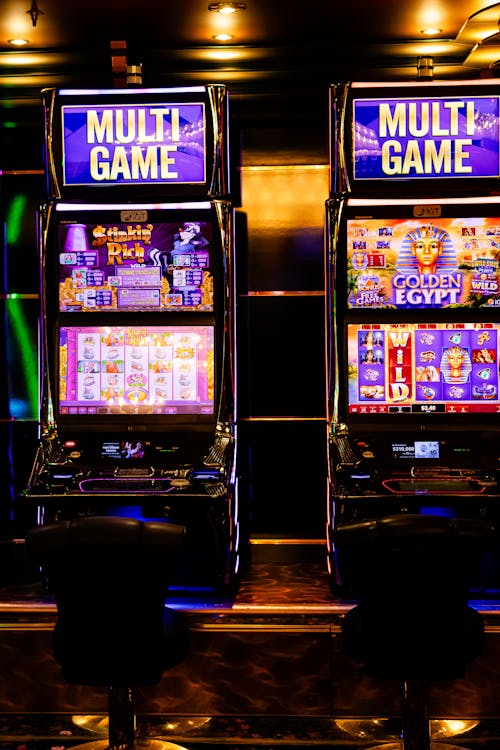
Effective customer service is essential in this context. Dedicated support teams, accessible via multiple channels—live chat, email, or phone—ensure that issues are resolved promptly, building trust and reducing frustration. Automated systems supported by AI also streamline routine inquiries, freeing human agents for more complex interactions. Additionally, the community engagement extends beyond direct player interactions. Many parallel casinos sponsor or participate in local and regional events, tournaments, and social initiatives that contribute to building a vibrant gaming community. These activities reinforce the operator's presence and reputation within local markets. The importance of ongoing education cannot be overstated, especially regarding responsible gaming practices. Platforms emphasize transparency about game rules and offer tools for self-assessment of gambling behavior. Self-exclusion options, deposit limits, and time-out features are prominent, reinforcing a commitment to player wellbeing.
Insights gleaned from user feedback directly influence the development of new features and platform improvements. For example, if players express a desire for more localized content or specific game types, operators can prioritize these elements, creating a personalized gaming environment that appeals to regional cultures and preferences. In sum, the optimal success of parallel casinos in the EU integrates cutting-edge technology with a deep understanding of user psychology and community engagement strategies. Combining secure, intuitive platforms with active community participation and responsive support systems results in a sustainable competitive advantage, fostering not only customer loyalty but also reputation as a responsible and customer-centric operator within a dynamic, multicultural marketplace.
One of the distinguishing features of successful parallel casinos within the EU is their focus on enhancing user experience through tailored interfaces and community engagement. As consumers increasingly demand personalized content and seamless transitions between physical and online platforms, operators dedicate substantial resources to creating unified ecosystems that align with these expectations. This involves implementing intuitive account management systems that preserve player profiles, loyalty points, and bonuses across channels, ensuring consistent engagement and fostering long-term loyalty.
Integrating community feedback mechanisms is another strategic pillar. Many operators actively solicit user reviews, conduct surveys, and host interactive events—both virtual and in-person—to gather insights. This approach not only guides service refinement but also fosters a sense of belonging among players, transforming them from mere users into active community members. Such interactions are crucial in building trust, especially in an environment where security and responsible gambling are paramount.
Effective customer support further enhances the user experience. Modern parallel casinos leverage multichannel support systems—live chat, email, and telephonic assistance—augmented with AI-driven chatbots to resolve routine queries swiftly. This ensures players receive prompt help, which reinforces trust and encourages ongoing participation. Complementary to this are advanced security measures such as biometric authentication, encrypted transactions, and fraud detection algorithms that safeguard sensitive data, complying with EU standards and maintaining player confidence.
Player Security And Responsible Gambling Initiatives
Maintaining high standards of security and promoting responsible gaming are integral to the reputation and sustainability of parallel casinos. Platforms incorporate tools like self-exclusion, deposit and loss limits, and real-time monitoring systems that detect unusual gambling patterns. These safeguard players from developing problematic behaviors while demonstrating operators' commitment to ethical standards. Additionally, transparent communication about game rules and odds, alongside educational resources, help foster a responsible gaming culture.

Blockchain technology further enhances transparency, especially in crypto-integrated casinos, by providing tamper-proof transaction logs and ensuring fair play. These innovations, combined with strict compliance to GDPR and other EU data protection frameworks, establish a secure foundation, reducing risks associated with digital transactions and identity theft.
Blockchain technology further enhances transparency, especially in crypto-integrated casinos, by providing tamper-proof transaction logs and ensuring fair play. These innovations, combined with strict compliance to GDPR and other EU data protection frameworks, establish a secure foundation, reducing risks associated with digital transactions and identity theft.
Operational Strategies For Enhancing Community Trust
Successful operators employ proactive strategies to foster user trust, including regular updates based on community input, transparent reporting on security measures, and visible adherence to responsible gambling protocols. Engagement initiatives like community tournaments, social media campaigns, and regional sponsorships serve dual purposes: expanding reach and reinforcing the operator's commitment to social responsibility. Building trusted relationships through consistent, transparent communication is foundational to long-term success in the hybrid gambling space.
Emerging Technologies And Future Outlook
The integration of augmented reality (AR) and virtual reality (VR) promises to further bridge the gap between physical and digital gambling environments. Immersive VR casinos can recreate the ambiance of high-end land-based venues within the player's home, enhancing social interaction and realism. As these technologies become more accessible, they will usher in new standards for engagement and security, including biometric-based access and encrypted data streams that preserve privacy while offering rich, interactive experiences.
Furthermore, artificial intelligence (AI) will play a pivotal role by enabling highly personalized gaming journeys, adaptive marketing strategies, and real-time risk management. These innovations will support operators in delivering secure, engaging, and responsive platforms tailored to individual preferences, ensuring the growth and sustainability of parallel casinos across the EU.
As the market matures, continuous technological advancement paired with strategic community-building efforts will be essential. Operators investing in responsible gaming, innovative security systems, and immersive technologies will set industry benchmarks, positioning themselves as leaders in delivering safe, secure, and engaging hybrid gambling environments that meet the demands of a diverse consumer base across the European Union.
In the context of parallel casinos operating within the European Union, the variety and security of payment methods constitute foundational elements that influence player trust and operational efficiency. A comprehensive payment infrastructure is essential for providing seamless deposits and withdrawals, accommodating both traditional currencies and digital assets such as cryptocurrencies. This flexibility is especially significant in hybrid models, where instant transactions are vital to match the pace of online gaming, while maintaining compliance and safety standards prevalent across EU jurisdictions. New payment solutions are continually emerging, driven by technological advancements and evolving consumer expectations. Many operators now support e-wallets, bank transfers, and credit/debit cards, offering multifaceted options for players across different markets. Equally, an increasing number of crypto casinos leverage blockchain technology, enabling secure, transparent, and fast transactions that appeal to digital-savvy users. These platforms often incorporate digital wallets compatible with Ethereum, Bitcoin, and other altcoins, ensuring versatility in currency choices.
Adoption of blockchain and crypto wallets significantly enhances transaction security through decentralization, reducing the risks associated with fraud or chargebacks. Furthermore, these systems often incorporate multi-signature verification processes, cryptographic security measures, and compliance with Anti-Money Laundering (AML) standards, which are crucial within the EU's regulatory environment. On the player security front, innovative verification procedures bolster trust and safeguard both users and operators. Multi-factor authentication, biometric identification (such as facial recognition and fingerprint scanning), and encrypted data channels are now standard components of player security protocols. These measures prevent account hacking, identity theft, and unauthorized transactions, reinforcing confidence among consumers regarding the safety of their funds.

Adoption of blockchain and crypto wallets significantly enhances transaction security through decentralization, reducing the risks associated with fraud or chargebacks. Furthermore, these systems often incorporate multi-signature verification processes, cryptographic security measures, and compliance with Anti-Money Laundering (AML) standards, which are crucial within the EU's regulatory environment. On the player security front, innovative verification procedures bolster trust and safeguard both users and operators. Multi-factor authentication, biometric identification (such as facial recognition and fingerprint scanning), and encrypted data channels are now standard components of player security protocols. These measures prevent account hacking, identity theft, and unauthorized transactions, reinforcing confidence among consumers regarding the safety of their funds.
Player Wellbeing And Responsible Gambling Tools
Beyond securing transactions, parallel casinos are implementing responsible gambling measures aimed at protecting players from problematic behaviors and promoting a sustainable gaming environment. Self-exclusion programs enable players to temporarily or permanently restrict their access to gambling services, often managed through easily accessible online interfaces. Deposit and loss limits provided by the platforms help users stay within their financial boundaries, encouraging disciplined play. Innovative monitoring systems employ artificial intelligence and data analytics to detect signs of gambling addiction or irregular betting patterns. These tools enable operators to intervene proactively, offering support or temporarily suspending activity when necessary. Transparency regarding return-to-player (RTP) percentages, clear game rules, and informative responsible gaming sections contribute to maintaining ethical standards and fostering a culture of safe gambling.
Legal And Regulatory Considerations Impacting Payment And Security Protocols
Although the current focus is on non-legal aspects, it is important to recognize that currency management and security measures are deeply intertwined with regional regulatory frameworks across the EU. Operators must adhere to strict data protection laws such as GDPR, and employ advanced cybersecurity protocols to defend against hacking, data breaches, and financial fraud. This compliance ensures not only lawful operation but also sustains player confidence. The integration of innovative payment technologies, such as instant banking services and blockchain-based solutions, is often supported by licensing requirements and oversight mechanisms that verify the security and fairness of gambling platforms. Such standards help in minimizing monetary risks, preventing underage gambling, and promoting responsible financial transactions.

Looking ahead, technologies like biometric authentication and decentralized finance (DeFi) platforms are poised to redefine the standards of transaction security. Biometric identifiers can provide frictionless yet highly secure logins, reducing reliance on passwords and PINs. Meanwhile, blockchain-based smart contracts can automate payout processes, ensuring transparency and compliance while eliminating the need for intermediaries. AI-driven fraud detection systems will become more sophisticated, capable of real-time analysis and predictive modeling to identify suspicious activity before damage occurs. These innovations will enhance both the security framework and user experience, supporting the sustainable growth of parallel casinos in the EU’s competitive market.
Emerging Technologies Shaping Future Payment And Security Ecosystems
Looking ahead, technologies like biometric authentication and decentralized finance (DeFi) platforms are poised to redefine the standards of transaction security. Biometric identifiers can provide frictionless yet highly secure logins, reducing reliance on passwords and PINs. Meanwhile, blockchain-based smart contracts can automate payout processes, ensuring transparency and compliance while eliminating the need for intermediaries. AI-driven fraud detection systems will become more sophisticated, capable of real-time analysis and predictive modeling to identify suspicious activity before damage occurs. These innovations will enhance both the security framework and user experience, supporting the sustainable growth of parallel casinos in the EU’s competitive market.
In sum, the strategic deployment of diverse, secure payment methods combined with rigorous security measures forms the backbone of trustworthy, player-centric paradigms within European parallel casinos. These features not only attract new customers but also deepen engagement by ensuring that their financial interactions are protected, seamless, and aligned with evolving technological standards, fostering long-term industry stability and growth.
For operators within the European Union, fostering a loyal and active player community is vital to sustaining growth in the evolving landscape of parallel casinos. Achieving a high level of engagement requires a blend of technological sophistication, personalized communication, and genuine community-building efforts. This comprehensive approach not only enhances the user experience but also cultivates trust and long-term brand loyalty, which are essential in a competitive, regulation-driven market. One effective strategy is the deployment of multi-channel communication platforms that enable real-time interaction with players. Whether through in-app notifications, email newsletters, or social media engagement, operators can provide personalized offers, game updates, and responsible gambling reminders tailored to individual preferences. This personalized communication fosters an ongoing dialogue that makes players feel valued and understood. Moreover, integrating community features—such as player forums, tournaments, and social media groups—encourages peer interaction and shared experiences. These features create a sense of belonging, which increases the likelihood of repeated engagement and player retention. For example, hosting regional tournaments with lucrative prizes can significantly boost community activity, increase brand visibility, and generate buzz that transcends platforms.
Operationally, implementing advanced analytics tools allows casinos to monitor player behaviors and preferences continuously. These insights support the delivery of targeted content and offers that resonate with specific segments, thereby maximizing their relevance and impact. Personalization paves the way for dynamic loyalty programs that adapt to a player's evolving preferences, providing incentives for continued participation. Security and responsible gaming initiatives also strengthen community trust. Transparent communication about responsible gambling tools, such as deposit caps, self-exclusion options, and real-time monitoring alerts, demonstrate a casino's commitment to safeguarding players’ wellbeing. Regular updates and educational campaigns help normalize responsible gaming as an integral part of the experience rather than an afterthought.

Operationally, implementing advanced analytics tools allows casinos to monitor player behaviors and preferences continuously. These insights support the delivery of targeted content and offers that resonate with specific segments, thereby maximizing their relevance and impact. Personalization paves the way for dynamic loyalty programs that adapt to a player's evolving preferences, providing incentives for continued participation. Security and responsible gaming initiatives also strengthen community trust. Transparent communication about responsible gambling tools, such as deposit caps, self-exclusion options, and real-time monitoring alerts, demonstrate a casino's commitment to safeguarding players’ wellbeing. Regular updates and educational campaigns help normalize responsible gaming as an integral part of the experience rather than an afterthought.
To further bolster reputation, operators often support local community initiatives, sponsor regional events, or participate in charitable activities. These efforts align the casino's brand with positive societal contributions, reinforcing public trust and community integration. The future of community engagement in EU parallel casinos is closely tied to emerging digital technologies. Artificial intelligence (AI) will enable even more refined personalization and proactive customer support, while virtual and augmented reality (AR/VR) will allow immersive social experiences that replicate or enhance physical casino atmospheres. Secure, blockchain-based reward systems could offer transparent, instant loyalty and bonus payouts, reinforcing trust through decentralization.
Success in the EU’s diverse markets will also depend on understanding regional cultural nuances and tailoring engagement strategies accordingly. For example, emphasizing responsible gaming and community-oriented campaigns in regions with higher gambling awareness can foster a more positive reputation, while innovative technical features may appeal more to digitally native demographics elsewhere. In long-term perspective, integrating community feedback into the ongoing development of gaming platforms ensures that operators stay aligned with evolving consumer expectations. Regularly soliciting reviews, conducting surveys, and adapting game offerings based on input cultivates a player-centric mindset rooted in transparency, respect, and engagement excellence. This holistic approach—intertwining community building, technological innovation, and ethical responsibility—will determine which operators thrive and set industry standards within Europe's hybrid gambling ecosystem. Progressive community-centric strategies ultimately forge stronger bonds, ensuring that parallel casinos not only attract players but become trusted, valued parts of their recreational and social lives.